

"I felt a sense of the apocalypse this summer," said Cyril Chedeville, a 59-year-old from Bordeaux in southwestern France.
He was not alone.
Successive heat spells have roasted the continent since May, bringing temperatures of 40C and above - and dragging drought and devastating wildfires in their wake.
All across Europe, temperature records have been smashed - in places that were always hot, such as Spain and Italy, but also in normally cooler countries, with Slovakia seeing temperatures reach 42.2C and Denmark 37C, both new highs.
Relief has been fleeting. By August 19, France had experienced 52 days under heatwave conditions since mid-June, with only a handful of cooler days to break them up - a record-breaking figure with summer not even over yet.
"I can't take it anymore," said Ayse Gurbuz, a 25-year-old student in the central French city of Lyon.
"The heatwaves just don't stop. Each time you think it's finished, it comes back."
"It reminds me of Covid," Djamila, a Parisian retiree said in late June, as city residents sheltered indoors from the heat.
Across the French capital, where few homes have air conditioning, desperate locals had taped foil survival blankets over their windows, hoping to keep out the fierce sun.
With temperatures staying high overnight, the heat wasn't just uncomfortable, but deadly. A provisional toll put the number of excess deaths between mid-June and mid-August at 32,000 across Europe.
The weather brought psychological damage too, with a study by France's OBESCA monitor finding that 2.6 million people were suffering from "eco-anxiety", which it defines as feelings of pessimism, existential anxiety, social isolation and other negative emotions because of climate change.
'We lost everything'
Weeks of unending heat soon turned into a vicious cycle of drought, storms and wildfires.
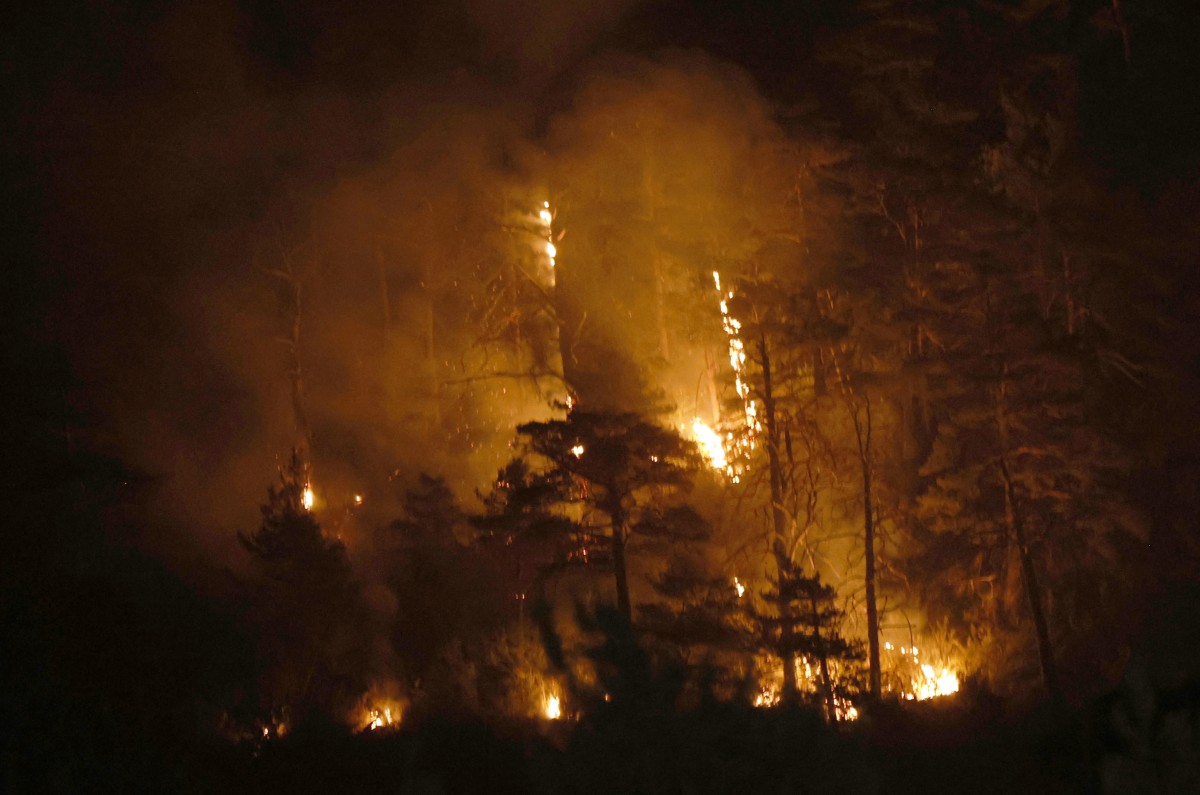
From south to north across the continent, fires had devastated nearly 600,000 hectares (1.5 million acres) by August 12, including infernos in France and Spain which forced the evacuations of tens of thousands of people.
Maria Angeles Canete, 54, lost both her campsites to the flames that ripped through the mountainous terrain west of the Spanish capital Madrid.
"We lost everything," she said. "It's the worst thing that could happen to you in life."
Meanwhile, normally mild and wet countries such as Belgium and Scotland, also found themselves battling flames, with the former experiencing its largest wildfire in a century.
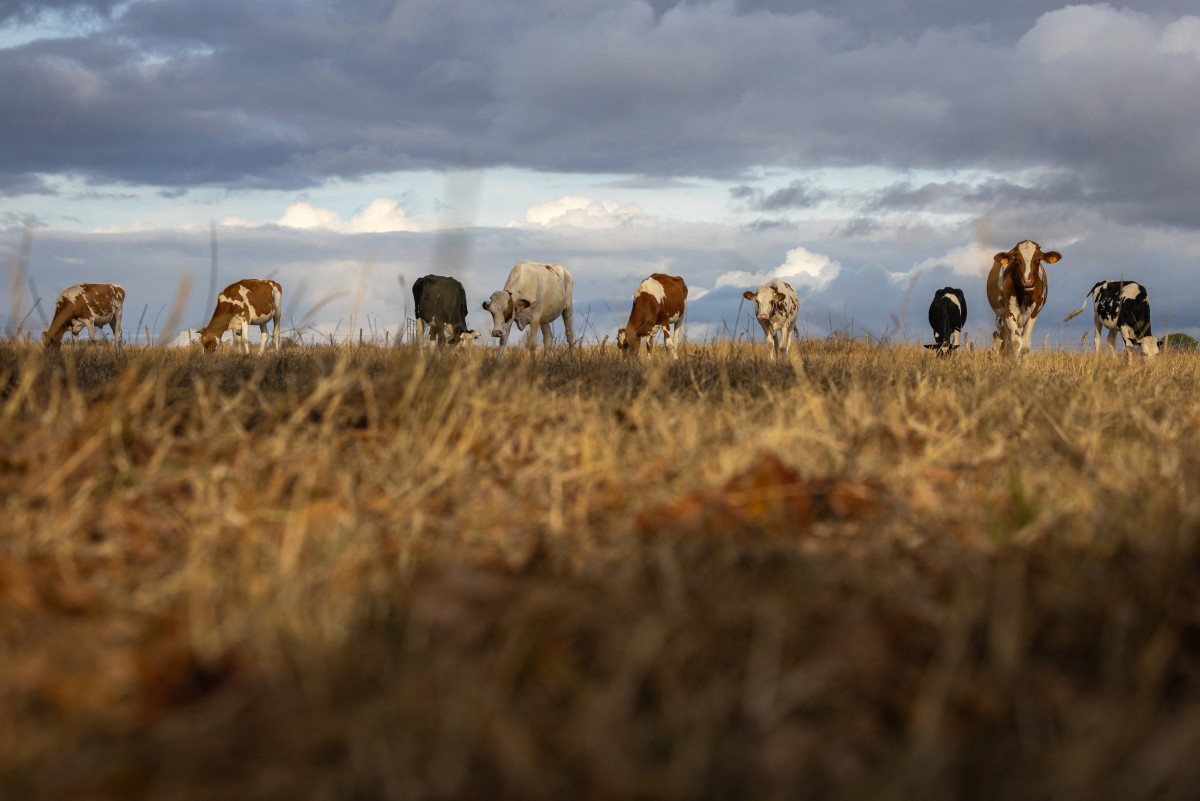
While roaring fires and vast plumes of smoke proved spectacular, a more creeping disaster was also spreading: drought.
By the end of July, half of the continent was affected, with France, Switzerland, Austria and Slovenia all reporting record low soil moisture levels.
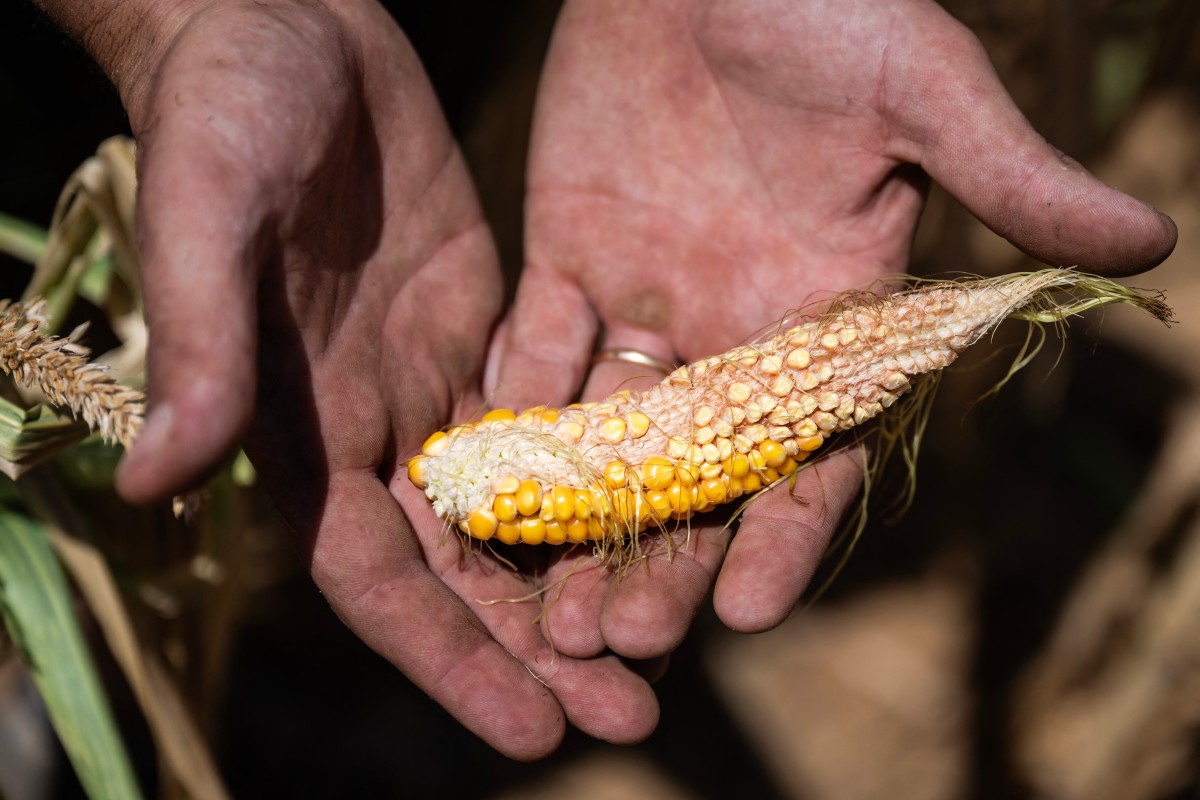
"It suddenly, completely dried out," said British farmer John Pawsey, 62, who grows crops in Sussex, in southern England.
"The only things that started growing were docks and thistles," said Pawsey, whose entire quinoa crop failed.
Nuclear shutdown
Major rivers including the Rhine, the Danube and the Loire have been reduced to fractions of their normal flows, leaving behind cracked earth and dead fish, while hammering economies.
Romania, Bulgaria and Hungary all had to shut down or curtail nuclear power plants because the Danube was too low to provide cooling.
France and Switzerland, too, reduced their nuclear output because of high river temperatures or low water levels.
And in Germany, the Rhine has fallen so much that river ports have had to shut down, causing logistical chaos.
Even at sea, thermometers have registered record temperatures. In July, the Mediterranean hit levels never before recorded for that month, with a sea surface temperature of 27C.
The World Weather Attribution group of scientists said that some Mediterranean areas had recorded sea surface temperatures more than 6C warmer than normal during the hottest two weeks of the month.
With many on the continent still reeling, some among the scientific community said there was nothing unexpected about this summer.
"What we're experiencing, is what our community has been predicting for thirty years," Jean Jouzel, a scientist and former vice-chair of the United Nations' IPCC panel of climate experts, said.
The question is what comes next. Can Europe adapt?
"We have to understand that we're heading for catastrophe if we don't bend the curves" of greenhouse gas emissions, Jouzel said.
Comments (2)